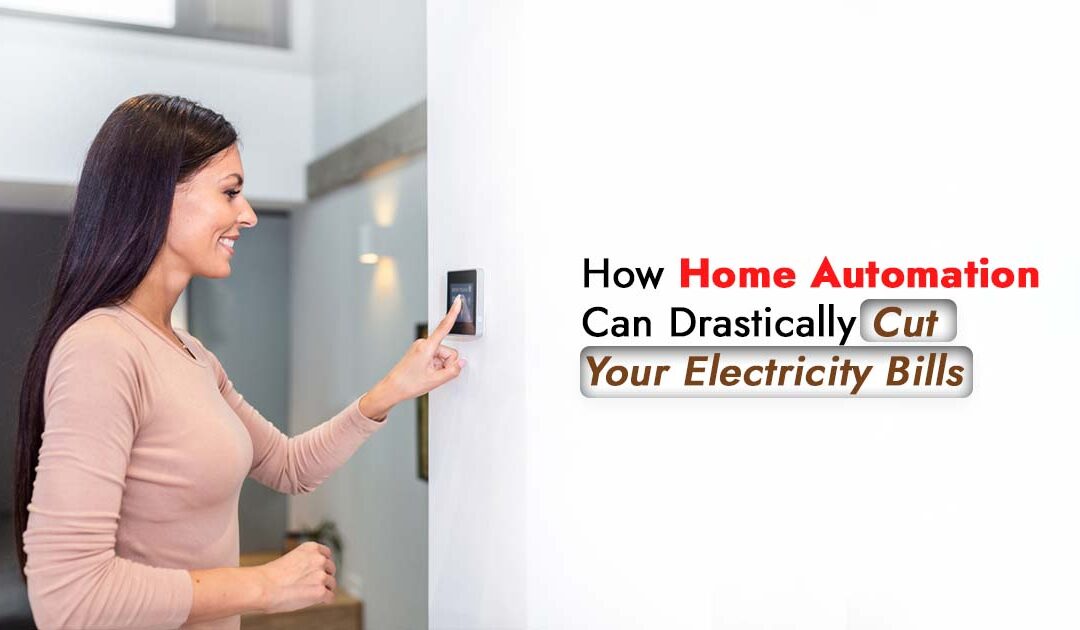
In an era where smart technology is revolutionizing every area of our lives, home automation has shifted from a luxury to a necessity. From smart lighting and climate control to smart energy oversight, smart home systems are helping homeowners save money, reduce waste and live a more sustainable lifestyle. You might be curious to understand exactly how home automation can reduce your electricity bills, here’s what you need to know.
What is Home Automation?
Home automation is the use of smart technology which uses sensors to control some activities in and around the home, they can be lighting, heating, cooling or fixtures (appliances). Home automation is usually controllable by a smartphone app, voice commands (think Alexa, or Google Home devices) or through a sensor-driven approach which learns the user actions and preference.
Benefits of Home Automation:
- Convenience – You can run your home from the palm of your hand.
- Efficiency – Use only what you need, and eliminate waste energy supposed to be used.
- Savings – Save on your electricity bill with smart energy management.
- Sustainability – You don’t have to lift a finger to reduce your carbon footprint.
1. Smart Lighting: Bright Ideas for Energy Savings
Smart lighting systems are one of the simplest and most effective ways to reduce electricity use in the home body. With traditional lighting, time and time again, the bulbs will stay on longer than intended; entirely wasting your money and energy at hand.
How It Functions:
- Motion Detectors: Automatically shut off light fixtures when no one is present in the room.
- Daylight Sensors: Automatically adjust brightness as natural light becomes available.
- Scheduling: Set specific times for the lights to turn on or off, all according to your routine.
- LED Pairing: Smart lights work with energy-efficient LED bulbs, which use up to 80% less energy than incandescent bulbs.
End Result: Smart light fixtures can help reduce your lighting energy usage by 30 to 40% a month.
2. Smart Thermostats: Control Climate and Save Money
Heating and cooling account for the largest portion of electricity use in most homes. A smart thermostat will learn your schedule, adjust the temperatures automatically, and ensure you use energy wisely.
Why They Matter:
- Adaptive Scheduling: They can tell when you are home and away and will adjust accordingly.
- Remote Access: You can change the temperature settings on your phone even while away from home.
- Energy Reporting: Most of the smart thermostats will give you usage reports that will help you understand your energy consumption and enable you to manage it better.
Example: Studies show that smart thermostats can save the everyday homeowner 10 to 15% of their heating and cooling utility costs.
3. Smart Plugs and Power Strips: Stop Phantom Energy Use
Many devices are still using power when turned off, sometimes referred to as phantom load or vampire power. Smart plugs or smart power strips will help you get rid of that hidden cost.
How They Assist:
- Automatically disconnect power to equipment that isn’t being used.
- Allow for scheduling so that you can disconnect devices at predetermined time slots.
- Monitor usage of any single device in real-time.
Example: For managing phantom energy, you could be saving up to 10% off of your entire power bill.
4. Energy Monitoring Systems: Track and Optimize Usage
An energy monitoring system would provide a complete breakdown of where and how energy is being used.
Some features of smart tech are:
- To find out what appliance is using the most energy
- Monitor energy usage in real time through an app on your mobile device
- To receive notifications about unusual energy spikes or malfunctions due to energy over consumption.
This information enables you to make a sound decision that assists in mitigating energy.
5. Automated Shades and Smart Windows
Automated shades and smart windows are additionally useful technologies when trying to mitigate cooling and heating costs.
How They Work:
- Smart Blinds: Automatically open and close while considering sunlight and temperature.
- Smart Glass: Changes transparency to block heat or allow heat through the glass and remove the necessity to condition air.
When implementing these technologies to provide indoor climate space the optimization can exceed costs down up to 20% for cooling and heating.
6. Intelligent Devices: Efficiency Included
Intelligent appliances, refrigerators, washing machines, air conditioners, and dishwashers, are specifically created for optimal energy efficiency.
What They Do That’s Intelligence:
- They’re created to run when energy costs are lower and/or less electricity is consumed.
- Sensors can help control or modify performance and reduce energy consumption.
- They can signal you when they need maintenance or cleaning to maximize efficiency.
Example: Smart washing machines often will adjust water use and energy use per load size “on the fly”, saving you electricity & water.
7. Integration for Ultimate Efficiency
The best part of home automation is the integration (ability for multiple systems to communicate with each and be controlled as a whole).
For instance:
- Your smart thermostat changes the temperature when your smart blinds sense bright sunlight.
- Smart plugs can turn off non-essential devices when you leave home based on your phone’s location.
- Lighting and AC can coordinate based on occupancy sensors to maximize efficiency.
All of this coordination will not only allow for more ease of use, but will ensure that you never waste condensate energy again.
8. The Long-Term Financial Benefits
Though it may feel like you are investing a lot up front with the installation of your smart devices, the return on your investment occurs fairly quickly. With a typical battery of smart devices installed in your home, you can save an estimated 15%-40% on your annual electricity bill, depending on the size of your home and devices used. Furthermore, smart homes have a higher resale value, which makes this investment financially sound.
Conclusion
Home automation is not just about convenience, comfort, or luxury, but living in a smarter, more sustainable way. By investing in smart lighting, thermostats, smart plugs, and appliances, you will not only save on your electricity costs, but also lessen your carbon footprint.
Let today’s smart investment lead to tomorrow’s more efficient, affordable, and sustainable home.
So, if you are building a new home or upgrading your current residence, this is an ideal time to implement automation in your home and begin saving; smart device by smart device.